
Cast, Forged & Through-Conduit Gate Valves for Oil & Gas, Petrochemical, Energy and Process Applications.
GATE VALVES
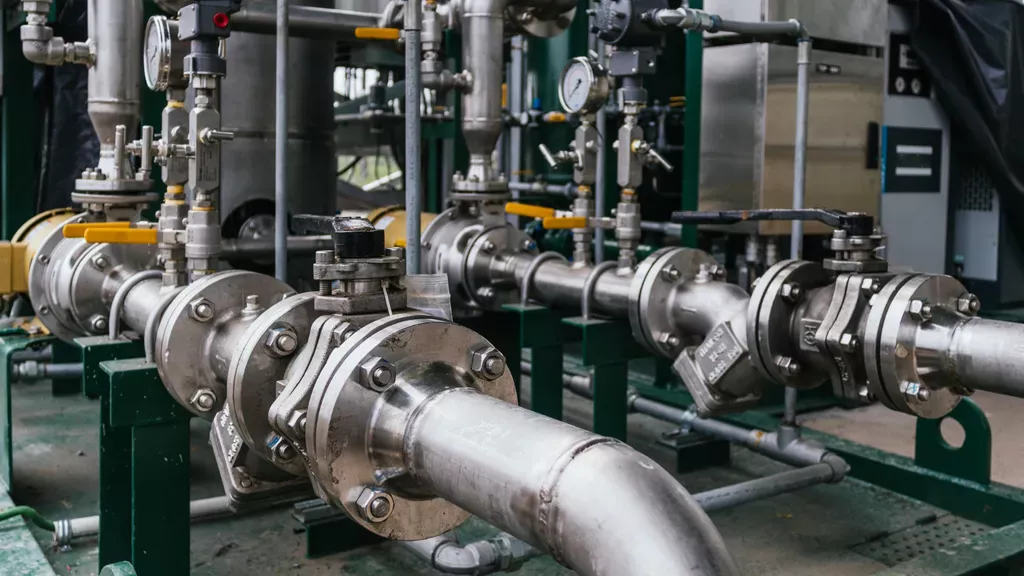
Gate Valves for Reliable Process Isolation.
Avasi Energy supplies industrial gate valves in Sabah and Malaysia, supporting isolation requirements across oil & gas, petrochemical, energy and process industries.
Our sourcing scope covers cast steel, forged steel and selected through-conduit gate valve designs, including manual and actuated configurations for project, maintenance and operational requirements.
Each enquiry is reviewed against the specified valve design, size, pressure class, body and trim materials, gate or wedge configuration, bonnet design, end connection, service conditions, operation, testing and documentation requirements.
Based in Kota Kinabalu, Sabah, Avasi Energy works with suitable valve manufacturers and supply partners in Malaysia and internationally to coordinate gate valve requirements according to customer datasheets, material requisitions and project specifications.
BUILT FOR ISOLATION.
Full Open. Full Closed.
Gate valves are primarily used for on-off isolation.
A gate or wedge moves vertically across the flow path to close the valve. When fully opened, the closure element is withdrawn from the flow path, providing a relatively unrestricted passage through the valve.
For conventional gate-valve designs, normal operation is therefore:
- Fully Open
- or
- Fully Closed
rather than partially open for continuous flow regulation.
Gate valves isolate the line. They are not normally selected to regulate it.
WHICH GATE VALVE?
Different Designs for Different Isolation Duties.
Cast Steel Wedge Gate Valves
Proven Isolation for Process Piping.
Cast steel wedge gate valves are widely specified across oil & gas, petrochemical, refinery, energy and process piping systems.
Depending on manufacturer design and project requirements, configurations may include:
- Flexible Wedge
- Solid Wedge
- Bolted Bonnet
- Pressure-Seal Bonnet
- Flanged Ends
- Butt-Weld Ends
- Raised Face — RF
- Ring Type Joint — RTJ
- Manual or Actuated Operation
API 600 is the principal industry standard associated with heavy-duty steel gate valves with flanged or butt-welding ends and bolted bonnets. API currently lists the 14th Edition as published, with a 15th Edition in development in September 2026.
Forged Steel Gate Valves
Compact Isolation for Small-Bore & Pressure Piping.
Forged steel gate valves are commonly specified for smaller-bore piping where compact construction, forged pressure-containing components and socket-weld, threaded or other project-specified connections are required.
Depending on manufacturer and project specification, requirements may include:
- Socket-Weld Ends
- Threaded Ends
- Butt-Weld Ends
- Integral Flanged Ends
- Bolted Bonnet
- Welded Bonnet
- Full or Standard Port
- Manual or Actuated Operation
API 602 currently covers compact gate, globe and check valves through NPS 4 for petroleum and natural-gas industry applications. Current manufacturer ranges also show API 602 forged gate valves using bolted or welded bonnet construction and OS&Y designs.
Through-Conduit Gate Valves
Pipeline Isolation for Demanding Applications.
For selected pipeline and oil & gas applications, project specifications may call for through-conduit gate valves rather than conventional wedge gate valves.
These may use a slab-type gate or other engineered closure arrangement, depending on the manufacturer’s API 6D design.
Through-conduit designs can incorporate requirements such as:
- Full or Reduced Bore
- Slab Gate
- Soft or Metal Seating
- Flanged or Welded Ends
- Above-Ground / Underground Installation
- Manual or Actuated Operation
- Pipeline-Specific Isolation Requirements
API 6D is currently at its 25th Edition and defines requirements for pipeline and piping valves, including gate-valve configurations.
WEDGE OR THROUGH-CONDUIT?
The Design Should Follow the Application.
| Requirement | Wedge Gate Valve | Through-Counduit Gate Valve |
|---|---|---|
| Typical duty | Process piping isolation | Pipeline / project-specific isolation |
| Closure | Wedge-type gate | Slab / engineered gate |
| Common standard | API 600 / API 602 depending construction | API 6D |
| Bore | According to valve design | Full or reduced bore depending design |
| Body construction | Cast or forged | Cast, forged or fabricated depending manufacturer |
| End connections | Flanged / BW / SW / threaded as applicable | Flanged / welded / special |
| Operation | Manual or actuated | Manual or actuated |
| Selection | Piping class & process requirements | Pipeline / project requirements |
One is not automatically “better”.
They serve different engineering requirements.
WEDGE DESIGN MATTERS.
The Gate Is More Than a Flat Plate.
Depending on valve construction and manufacturer design, wedge gate valves may use different closure configurations.
Flexible Wedge
Designed with a degree of flexibility within the wedge construction to accommodate selected seating and thermal conditions according to the manufacturer’s valve design.
Solid Wedge
A one-piece solid closure element used in applicable valve sizes and designs.
Parallel-Slide Designs
Selected gate-valve applications may use parallel closure/seating arrangements rather than the conventional wedge geometry.
Final wedge or gate design should follow the specified valve standard and manufacturer design.
BONNET CONFIGURATION
Different Construction for Different Service Requirements.
The bonnet forms an important part of the valve’s pressure boundary and stem-sealing arrangement.
Depending on valve design, requirements may include:
Bolted Bonnet
A widely used construction for cast and forged industrial gate valves, allowing mechanical assembly of the body and bonnet.
Welded Bonnet
Commonly available on selected compact forged gate valves where the project specifies welded bonnet construction.
Pressure-Seal Bonnet
May be specified for selected high-pressure or demanding services according to the manufacturer design and project specification.
Extended Bonnet
Special services such as cryogenic applications may require extended bonnet/stem arrangements to protect the packing area from extreme process temperatures.
RISING STEM & OS&Y
Clear Mechanical Position Indication.
Many industrial steel gate valves use a rising-stem Outside Screw & Yoke — OS&Y arrangement. As the valve opens, the stem rises, providing a clear mechanical indication of valve position.
The stem threads are located outside the main process-fluid pressure boundary in the conventional OS&Y arrangement.
API 602 forged valve manufacturers commonly use OS&Y construction as part of their standard design.
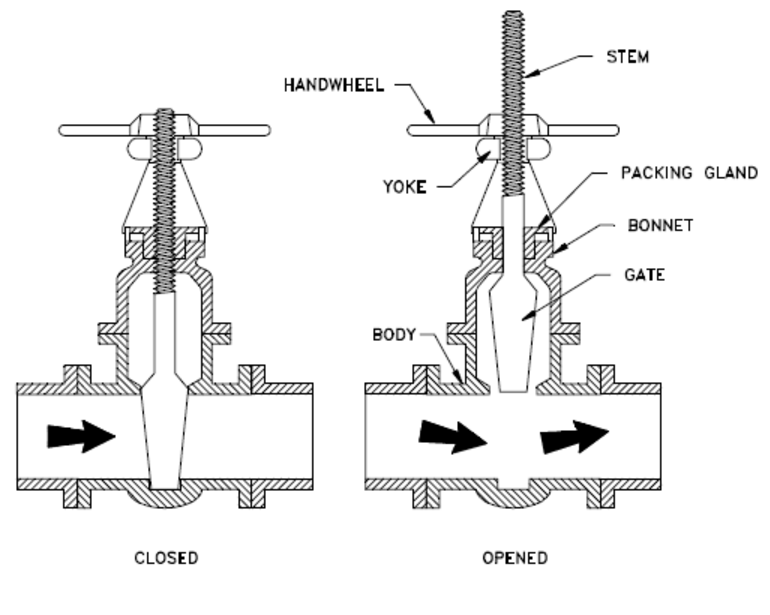
- STEM DOWN → CLOSED
- STEM RAISED → OPENED
Simple and very useful for procurement.
CAST OR FORGED?
Manufacturing Route Should Follow the Specification.
Cast Steel Gate Valves
Commonly used across a wide range of sizes and pressure classes for refinery, petrochemical, oil & gas and process piping.
Typical material families may include project-specified:
- Carbon Steel
- Low-Temperature Carbon Steel
- Stainless Steel
- Duplex / Super Duplex
- Alloy Steel
Forged Steel Gate Valves
Often selected for compact and small-bore applications where forged construction is specified.
Possible materials may include project-specified:
- ASTM A105
- ASTM A350 LF2
- ASTM A182 Stainless / Alloy Grades
- Duplex / Super Duplex Forgings
Avasi sources against the specified material — not simply carbon steel valve.
MATERIAL & TRIM SELECTION
Body Material Is Only Part of the Valve.
A complete gate-valve metallurgy requirement may separately specify:
- Body
- Bonnet
- Gate / Wedge
- Stem
- Seat Rings
- Backseat
- Bolting
- Packing
- Gaskets
- Hard-Facing / Overlay
Depending on service, seating surfaces may require specialised materials or hard-facing systems.
For corrosive, offshore, sour, low-temperature or elevated-temperature service, the complete metallurgy should follow the project datasheet and valve manufacturer’s qualified design.
Complete Metallurgy. Not Just Body Material.
END CONNECTIONS
The Valve Must Fit the Piping System.
Gate valve end connections may include:
Flanged Ends
- Including RF or RTJ configurations according to piping class.
Butt-Weld Ends
- For permanent welded piping connections.
Socket-Weld Ends
- Commonly associated with selected compact forged gate valves.
Threaded Ends
- Where permitted by the piping specification.
Applicable dimensional standards may include:
- ASME B16.5
- ASME B16.25
- ASME B16.11
- ASME B1.20.1
- or other project-specified requirements.
MANUAL & ACTUATED GATE VALVES
From Handwheel to Remote Operation.
Depending on valve size, thrust requirement and operating philosophy, Avasi Energy can coordinate:
Manual Operation
- Handwheel
- Chainwheel, where required
Gear Operation
- For larger valves or applications requiring mechanical operating assistance.
Electric Actuation
- For motor-operated valve — MOV — requirements and remote plant operation.
Pneumatic Actuation
- For project-specific automated or emergency operating requirements.
Hydraulic Actuation
- For selected pipeline, offshore or specialist applications.
ACTUATED GATE VALVE PACKAGES
Valve + Actuator + Accessories.
Depending on the agreed scope, an actuated gate-valve package may include:
- Gate Valve
- Electric / Pneumatic / Hydraulic Actuator
- Mounting Arrangement
- Limit Switch
- Position Indicator
- Solenoid Valve, where applicable
- Local Control Station, where applicable
- Position / Open-Close Feedback
- Tubing & Accessories, where applicable
Actuator sizing should be based on the selected valve manufacturer’s stem thrust / torque requirements, differential pressure, operating conditions, safety factors and required operating time.
It should not be selected from valve size alone.
SPECIAL SERVICE REQUIREMENTS
When Standard Gate Valve Supply Is Not Enough.
Depending on the project specification, additional requirements may include:
Sour Service
- Material restrictions, hardness control and documentation associated with H₂S-containing service.
Fugitive Emissions
- Rising-stem gate valves may require qualification according to standards such as** API 624** or ISO 15848, depending on project requirements.
- API currently lists API 624 2nd Edition for rising-stem valves, while ISO 15848-1 remains current and has further amendment work underway.
Fire-Safe Requirements
- Where fire-tested valve construction is required according to the applicable project specification and manufacturer’s certification.
Cryogenic Service
- May involve extended bonnets, project-specific materials, cleaning and specialised testing.
High-Temperature Service
- May require specialised body materials, trim, packing, bonnet design and pressure-seal arrangements.
Offshore / Marine Service
- May require additional metallurgy, coating, bolting, sealing or documentation requirements.
Bellows Seal
- For selected applications where enhanced stem-leakage control is required, specialised bellows-seal gate valves are available from established manufacturers.
All special-service capabilities must be supported by the selected manufacturer.
STANDARDS & SPECIFICATIONS
Different Gate Valve Designs Use Different Standards.
Depending on valve construction and application, requirements may include:
API 600
- Steel gate valves with flanged and butt-welding ends and bolted bonnets for applicable petroleum and industrial applications.
API 602
- Compact gate, globe and check valves through NPS 4 for petroleum and natural-gas applications.
API 603
- Corrosion-resistant bolted-bonnet gate valves.
API 6D
- Pipeline and piping valve requirements, including applicable through-conduit gate valves.
ASME B16.34
- Pressure-temperature ratings, materials, dimensions, NDE, testing and marking requirements for applicable valve construction.
ASME B16.10
- Face-to-face / end-to-end valve dimensions where applicable.
API 598
- Valve inspection and testing.
API 624 / ISO 15848
- Fugitive-emission qualification where specified.
NACE MR0175 / ISO 15156
- Where applicable to H₂S-containing oil & gas environments.
The actual governing edition should come from the customer’s specification.
TESTING, INSPECTION & DOCUMENTATION
Confidence Beyond the Gate Valve.
For project and oil & gas valve supply, Avasi can coordinate testing, inspection and documentation requirements through the selected manufacturer and inspection parties.
Depending on the valve and project scope:
- Pressure Testing
- Shell / Body Test
- Seat / Closure Test
- Backseat Test, where applicable
- Hydrostatic Testing
- Pneumatic Testing, where specified
- API 598 remains a core inspection/testing reference for applicable industrial valves.
- Factory Acceptance Test — FAT
- Customer or third-party witnessed testing can be coordinated according to the approved ITP and project procedures.
- Site Acceptance Test — SAT
- Where included within Avasi’s agreed supply scope and applicable to the project.
- Material & Quality Verification
- MTC / MTR
- PMI
- Hardness Testing
- NDE / NDT
- Dimensional Inspection
- Visual Inspection
- Third-Party Inspection — TPI
- Inspection can be coordinated with customer-approved agencies where required.
PROJECT DOCUMENTATION
The Valve Is Only One Part of the Deliverable.
Depending on the purchase specification, the documentation package may include:
- Valve Datasheet
- Approved GA / Sectional Drawing
- Material Test Certificates
- EN 10204 3.1 / 3.2, where specified
- Inspection & Test Plan — ITP
- Pressure & Leakage Test Reports
- FAT Report
- Third-Party Inspection Report
- NDE / PMI Reports
- Fire-Safe Documentation, where applicable
- Fugitive-Emission Qualification, where applicable
- Actuator Datasheet
- Actuator Sizing / Thrust Data
- Certificate of Conformity / Compliance
- Operation & Maintenance Manual
- Recommended Spare Parts List
- Manufacturing Record Book / Data Book
For project valves, documentation is part of the supply.
TECHNICAL ENOUGH FOR ENGINEERING. CLEAR ENOUGH FOR PROCUREMENT.
Confidence Beyond the Gate Valve.
Engineering needs to answer:
- Is this the correct gate-valve design for the isolation duty?
Procurement needs to answer:
- Does the proposed supply meet the purchase specification?
- Avasi Energy coordinates both requirements by reviewing:
- Valve Datasheet
- Material Requisition
- Piping Class
- Project Specification
- Approved Manufacturer Requirements
- Testing Requirements
- Documentation Requirements
Correct Design. Clear Compliance. Documented Supply.
WHAT TO SEND US FOR AN ACCURATE GATE VALVE RFQ
Help Us Quote the Correct Valve.
- Basic Valve Information
- Valve Type / Design
- Wedge / Through-Conduit, where specified
- Size / NPS
- Pressure Class
- Cast or Forged Construction, where specified
- Bonnet Type, where specified
- End Connection
- Quantity
- Material
- Body Material
- Bonnet Material
- Gate / Wedge Material
- Stem Material
- Seat / Trim Requirement
- Packing / Sealing Requirement, where specified
- Service Conditions
- Process Fluid
- Design Pressure
- Operating Pressure
- Design Temperature
- Operating Temperature
- Operation
- Handwheel
- Gear Operator
- Electric Actuator
- Pneumatic Actuator
- Hydraulic Actuator
- Special Requirements
- Sour Service
- Fire-Safe
- Fugitive Emission
- Cryogenic
- High Temperature
- Offshore
- Pressure-Seal Bonnet
- Bellows Seal, where required
- Inspection & Documentation
- API / ASME Standard
- FAT
- SAT, where applicable
- TPI
- MTC
- PMI / NDT
- ITP
- Approved Manufacturer List
- MRB / Data Book
- Required Delivery Date
Where available, attach:
- Valve Datasheet
- RFQ
- Material Requisition
- P&ID
- Piping Class
- Project Specification
API 600 Example
Gate Valve, NPS 8, Class 300, RF, Bolted Bonnet, Flexible Wedge, OS&Y, Carbon Steel Body, Trim as per Datasheet, API 600, Gear Operated, Testing & Documentation as per Project Specification.
API 602 Forged Example
Forged Steel Gate Valve, NPS 1", Class 800, Socket-Weld Ends, Bolted Bonnet, OS&Y, ASTM A105 Body, Trim as per Piping Class, API 602, Handwheel Operated.
API 6D Example
Through-Conduit Gate Valve, NPS 16, Class 600, Full Bore, Slab Gate, RF / Welded Ends as specified, material and seat design as per Valve Datasheet, API 6D, Actuated, FAT/TPI and Project Documentation Required.
Examples only. Final product descriptions must follow the actual project specification.
FROM REQUIREMENT TO DELIVERY
A Specification-Driven Valve Supply Process.
- Review
- We review the required valve specification, testing and documentation requirements.
- Manufacturer Selection
- Suitable valve options are identified through our manufacturer and supply network.
- Technical Compliance
- The proposed pipe is reviewed against the agreed technical and commercial scope.
- Actuation, Inspection & Testing
- Where required, actuator integration, FAT, TPI, pressure testing and project inspection requirements are coordinated.
- Documentation & Delivery
- Required documentation, final release and logistics are coordinated through completion of the supply package.
Requirement Reviewed. Valve Sourced. Compliance Documented.
SUPPORTING SABAH’S INDUSTRIAL REQUIREMENTS
Based in Sabah. Connected Beyond Sabah.
Avasi Energy is based in Kota Kinabalu, Sabah, supporting pipe and piping-material requirements for customers, projects and industrial operations in East Malaysia.
Our local presence is supported by access to manufacturers and supply partners in Malaysia and internationally, allowing us to coordinate requirements according to project specifications rather than restricting customers to a single source or product range.
This positioning is increasingly relevant as Sabah’s OGSE ecosystem develops. PETRONAS reported in February 2026 that contracts secured by recognised Sabah-based OGSE vendors had grown substantially since 2021.
We support requirements associated with:
- Oil & Gas
- Petrochemical & Process
- Energy
- Offshore & Onshore Projects
- Maintenance & Shutdowns
- Brownfield Modifications
- Replacement Requirements
Local Presence. Wider Sourcing Capability.
COMPLETE THE FLOW-CONTROL PACKAGE
Need Other Valve Types?
Avasi Energy also supplies:
Ball ValvesFloating, trunnion-mounted and actuated isolation valves.
Globe ValvesFor throttling, regulation and shut-off duties.
Check ValvesFor non-return and reverse-flow prevention.
Butterfly ValvesCompact quarter-turn isolation and selected flow-control applications.
Piping ProductsPipes, fittings, flanges, gaskets, bolting, line blanks and Restriction Orifices.
FREQUENTLY ASKED QUESTIONS
What is a gate valve used for?
A gate valve is primarily used for fully open or fully closed flow isolation. Conventional gate valves are generally not intended for continuous throttling service.
What is the difference between a cast and forged gate valve?
Cast gate valves are widely used across larger process-piping applications, while forged gate valves are commonly used for smaller-bore and compact pressure-piping requirements. The final construction follows the applicable standard and project specification.
What is the difference between API 600 and API 602 gate valves?
API 600 principally covers steel flanged and butt-weld gate valves, while API 602 covers compact gate, globe and check valves up to NPS 4 for petroleum and natural-gas applications.
What is an API 6D through-conduit gate valve?
It is a gate-valve configuration designed for applicable pipeline/piping service under API 6D, commonly using a slab or engineered gate and available in full- or reduced-bore configurations depending on manufacturer design.
What is OS&Y?
OS&Y means Outside Screw and Yoke. It is a common rising-stem arrangement in industrial gate valves where stem movement provides a mechanical indication of valve position.
Can Avasi supply pressure-seal gate valves?
Yes, project-specific pressure-seal gate valve requirements can be sourced subject to size, class, material, service conditions and suitable manufacturer capability.
Can Avasi supply actuated gate valves?
Yes. Avasi can coordinate electric, pneumatic, hydraulic and selected specialist actuator packages through suitable manufacturers and integration partners.
Can Avasi arrange FAT and TPI?
Yes. FAT, TPI and project-specific testing can be coordinated where specified and included within the agreed supply scope.
Does Avasi manufacture gate valves?
No. Avasi Energy operates as an industrial valve sourcing and supply partner, working with suitable manufacturers according to customer specifications.
Looking for Gate Valves?
Send Avasi Energy your valve datasheet, RFQ, material requisition, piping class or project specification.
Whether your requirement involves a cast steel API 600 valve, compact forged API 602 valve, through-conduit API 6D design, pressure-seal valve or complete actuated package, our team will review the requirement and coordinate suitable sourcing options according to the specified technical, inspection, testing, documentation and delivery requirements.
AVASI ENERGY SDN BHD
Piping. Flow Control. Smarter Sourcing.